



Your Professional Protective Film Supplier
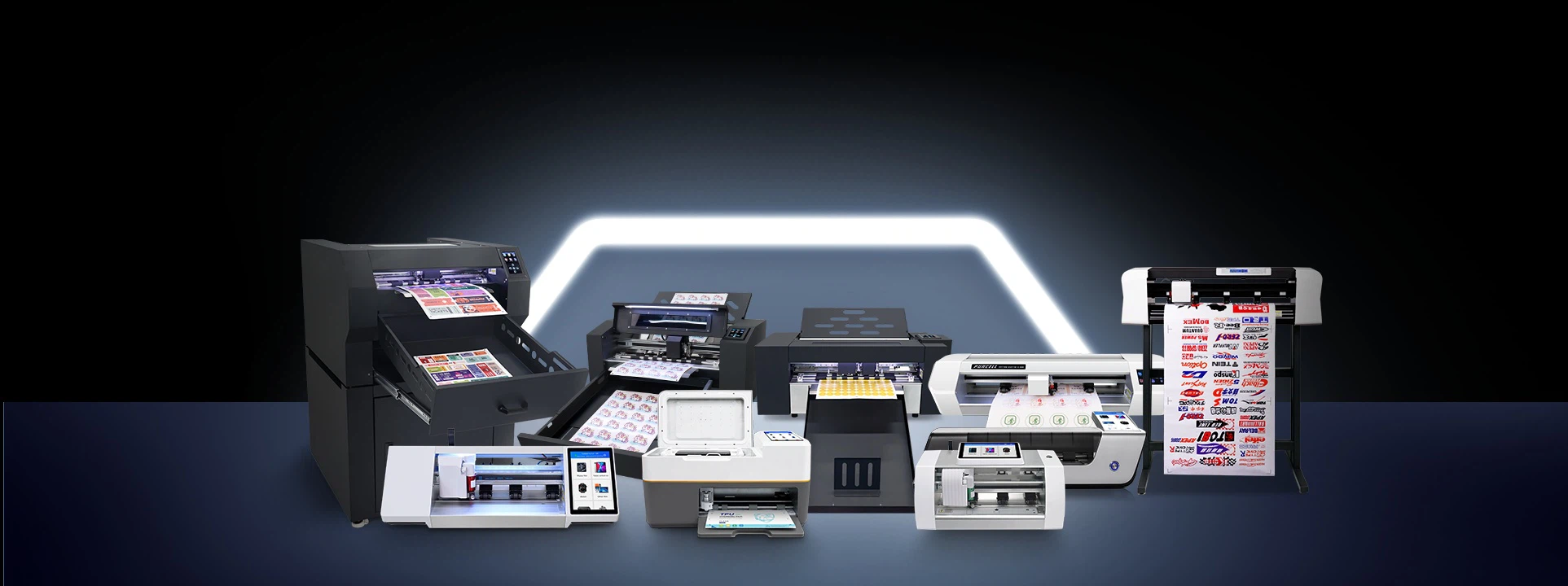
Purcell is a company focusing on the development and production of smart cutting equipment. In many industries to provide customers with high quality, cost-effective wealth solutions, so that customers have achieved real value improvement, especially in the intelligent die cutting, personalized customization and plateless printing to create outstanding results.


Why choose us
Our Product
Film Cutting Machine, Vinyl/Cutting Plotter, Label Cutter Plotter, Flatbed Cutting Plotter, Colorful Back Film, Screen Protector, UV Curing Box
Product Application
Electronic digital products DIY protective film cutting, advertising printing products cutting, clothing thermal transfer printing industry, highway traffic signs and personalized customized product cutting and other fields.
Our Certificate
CE, FCC, ROSH
Production Equipment
Automatic production line, Multi functional assembly line, aluminum extrusion cutter, Quadratic measurement equipments, Aging equipment, Smoke testing equipment, Drop testing equipment
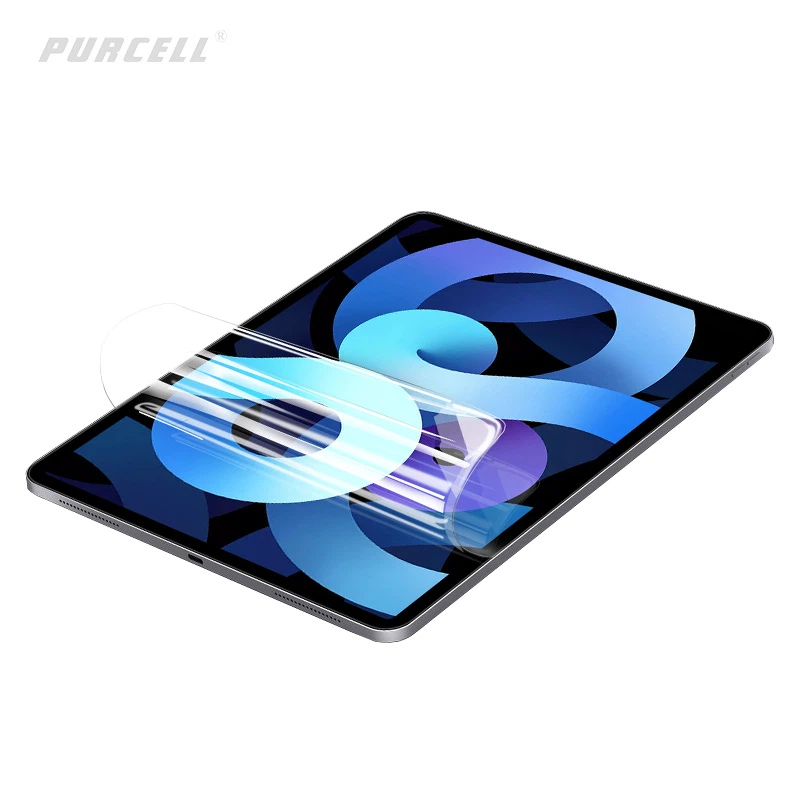
Protective film, also called surface protection film, is a thin layer of material that is applied to the surface of various objects to safeguard them from potential damage or contamination. These films provide a barrier against a wide range of challenges, such as scratches, abrasions, impacts, moisture, dust, UV radiation, corrosion, and more.
Protective films are commonly made from plastic materials like polyethylene, polypropylene, polyester, or polyvinyl chloride. They come in various thicknesses and adhesive strength, depending on the specific application and level of protection required. Because protective film is so versatile and adaptable, it has become an essential tool in many different industries.
| Function | Anti-View Protetor, AR Anti Glare / Radiation, Def Protective Film, Mirror Film |
| Material | PVC |
| Property | Self Adhesive Film |
| To Fit Screen Size | 16′′ |
| Viscosity | Ultra High Viscosity |
| Model No. | Iph 12 12 PRO |
| Quality | A++, Grade AAA |
| Color | White |
| Package | 50PCS Per Box |
| Usage | PC/Notebook, Mobile Phone |
| Transport Package | With OPP Bag or Nice Retailing Package |
| Specification | 0.3mm |
| Production Capacity | 100000pieces/Year |
| Package Size | 64.00cm * 48.00cm * 32.00cm |
| Package Gross Weight | 20.000kg |
Features of mobile phone protective film
Superior protection
Low-quality protectors can crack easily, compromising the actual protection of the smartphone.
Extended durability
High-quality materials ensure a longer lifespan for both the accessory and the phone itself.
Enhanced experience
Premium screen protectors offer better touch sensitivity and superior clarity.
Long-term cost reduction
Avoiding ser
Investing in quality in screen protectors for mobile phones provides several advantages that directly impact usability and device durability.
Surface protection
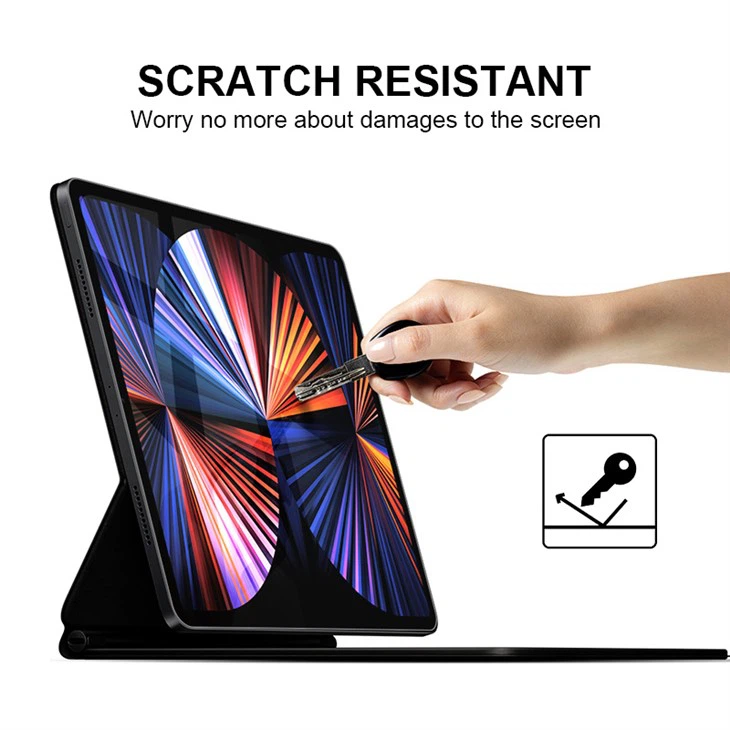
The primary benefit of protective films is the protection of surfaces from scratches, abrasions, impact, dirt, dust, moisture, and other potential damage.
Preservation of aesthetics
Protective films help maintain the original appearance, finish, and quality of surfaces, preventing the need for touch-ups or costly repairs. This is particularly important for products with high aesthetic value, such as vehicles, electronics, and architectural finishes.
Cost savings
By preventing damage to surfaces, protective films can significantly reduce the need for repairs, replacements, and rework, saving time and money during manufacturing processes.
Reduced environmental impact
Using protective films can extend the lifespan of products and components, reducing the need for premature disposal and replacement.
Ease of removal
Protective films are designed to be easily removable without leaving residue or damage. This makes them easy to remove when the protection is no longer needed.
Temporary or long-term
Depending on the type of protective film chosen, surfaces can be protected temporarily or long-term.
Hygiene: Protective film can help ensure hygienic conditions in environments like cleanrooms and medical facilities, where surfaces need to be shielded from contaminants.
Quality assurance
Using protective films ensures that end products reach customers in pristine condition, enhancing customer satisfaction and brand reputation.
There are many different types of protective film on the market today, but the two most common types are surface protection film and painted surface film. Both are designed to protect the surface from damage, but they cater to different needs.
Surface protection film is a thin layer of material applied to surfaces to shield them from scratches, abrasions, moisture, and other potential damage. They’re often made from materials like polyethylene, polypropylene, and polyester. They can be made in a variety of thicknesses and adhesive strengths, depending on your specific needs.
Application
Automotive
Protective film is used to shield delicate surfaces such as windows, interior components, and painted exteriors during manufacturing, assembly, and transportation.
Electronics
Electronics, such as cell phones, tablets, or laptops, are filled with delicate components that can be damaged easily. Screens are especially vulnerable. Protective film can protect electronics from scratches, cracks, and dents that can affect both aesthetics and functionality.
Aerospace
Protective plastic film is lightweight and versatile enough to protect sensitive aerospace components, increasing their lifespan.
Construction
Protective film is used to safeguard glass, metal, and other surfaces during construction and renovation.
Furniture and appliances
Appliances and furniture are often coated with protective films to prevent scratches and damage during transit or installation.
Manufacturing
During manufacturing, protective film can be applied to components to prevent damage or contamination.
Medical
Medical equipment is subject to a lot of wear and tear. Protective films can protect expensive equipment from corrosion and other damage.
Renovation
When renovating a space, protective films can prevent damage to floors, walls, and other surfaces while work is being done.
Material
Protective film serves many different purposes and industries, so its composition depends on the part application.
Here are a few specific types of materials, primarily plastic, that are commonly used to create protective film:
Low-density polythene films have enhanced elasticity and flexibility, and are generally low in weight Polyvinyl chloride is sleek with relatively higher levels of elasticity, making it an ideal option for metal surface protection Polypropylene is less elastic and holds firm even in higher temperatures Polyolefin works exceptionally well with glass or painted metal, and specific variants are used for packaging Co-extruded, low-density polythene provides a higher level of protection by using layering techniques Paper is generally used to protect against very low-impact damage
Custom made
Partner with someone who understands material selection — the variety of sizes and degrees of thickness, with some offering multi-layered, stronger protection. The more complex the object, the higher the need for customization, the second vital aspect.
Second, make a plan to execute your project: modern-day advances in rotary die-cutting allow converters to achieve precise results even when dealing with highly specialized aircraft and other intricately designed objects. Protective film application to complex objects requires expertise in working with heat guns, torches, plotters, spray fitting, and other installation techniques.
You may have a vision in mind for how protective film will benefit your particular industry, but you may be wondering what type you should use, or when your part will reach its final design.
If you have a protective film application, your next step could be finding a converter who meets your particular needs.
Importance of screen protector durability
Durability is a key factor when choosing a screen protector. A durable screen protector is able to withstand daily wear and tear, as well as accidental drops or bumps. It should be able to protect your device screen from scratches, cracks, and other damage.
Different screen protectors have different durability levels. Tempered glass protectors are known for their high durability and scratch resistance. They are designed to absorb impact and protect your device screen from cracking. TPU film protectors are also very durable and can withstand scratches and impacts. PET film protectors, while affordable, may not be as durable as tempered glass or TPU films.
When choosing a screen protector, consider your lifestyle and how you use your device. If you frequently engage in outdoor activities or work in harsh environments, choose a screen protector that offers both durability and impact resistance.
How to Install a Screen Protector on Your Device
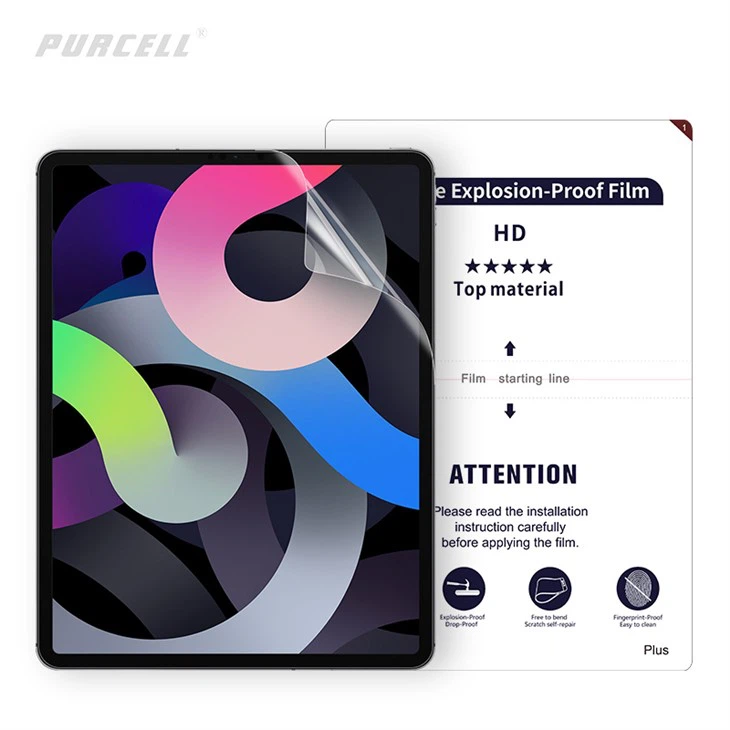
Installing a screen protector can be a daunting task, but with the right tools and technique, it can be done easily. Here is a step-by-step guide on how to install a screen protector on your device:
Start by cleaning the screen of your device thoroughly. Use a microfiber cloth or the cleaning wipes provided in the installation kit to remove any dust, fingerprints, or smudges.
Once the screen is clean, use the dust removal stickers provided in the installation kit to remove any remaining dust particles.
Carefully peel off the backing of the screen protector, making sure not to touch the adhesive side with your fingers.
Align the screen protector with your device’s screen, making sure to match up the cutouts for the camera and sensors.
Gently press down on the center of the screen protector and watch as it adheres to your device’s screen. Use a credit card or the included squeegee to smooth out any bubbles or wrinkles.
Finally, give the screen protector a final wipe down with a microfiber cloth to remove any remaining fingerprints or smudges.
How to Choose the Right Screen Protector for Your Device
When choosing a screen protector for your device, there are several factors to consider. First, you need to determine the level of protection you need. If you work in a harsh environment or frequently engage in outdoor activities, you may want to choose a tempered glass or TPU film protector that offers excellent impact resistance.
Compatibility with your device is another important factor to consider. Make sure to choose a screen protector that is designed specifically for your device brand and model. This will ensure a perfect fit and proper operation.
Another factor to consider is the ease of installation. Some screen protectors come with installation kits that include cleaning wipes, dust removal stickers, and calibration tools. These kits can make the installation process easier and ensure a bubble-free fit.
Finally, consider your budget. Screen protectors vary widely in price, so it is important to find one that fits your budget and provides the protection you need.
We're well-known as one of the leading protective film manufacturers and suppliers in China. Please feel free to buy high quality protective film from our factory. For customized service, contact us now.