

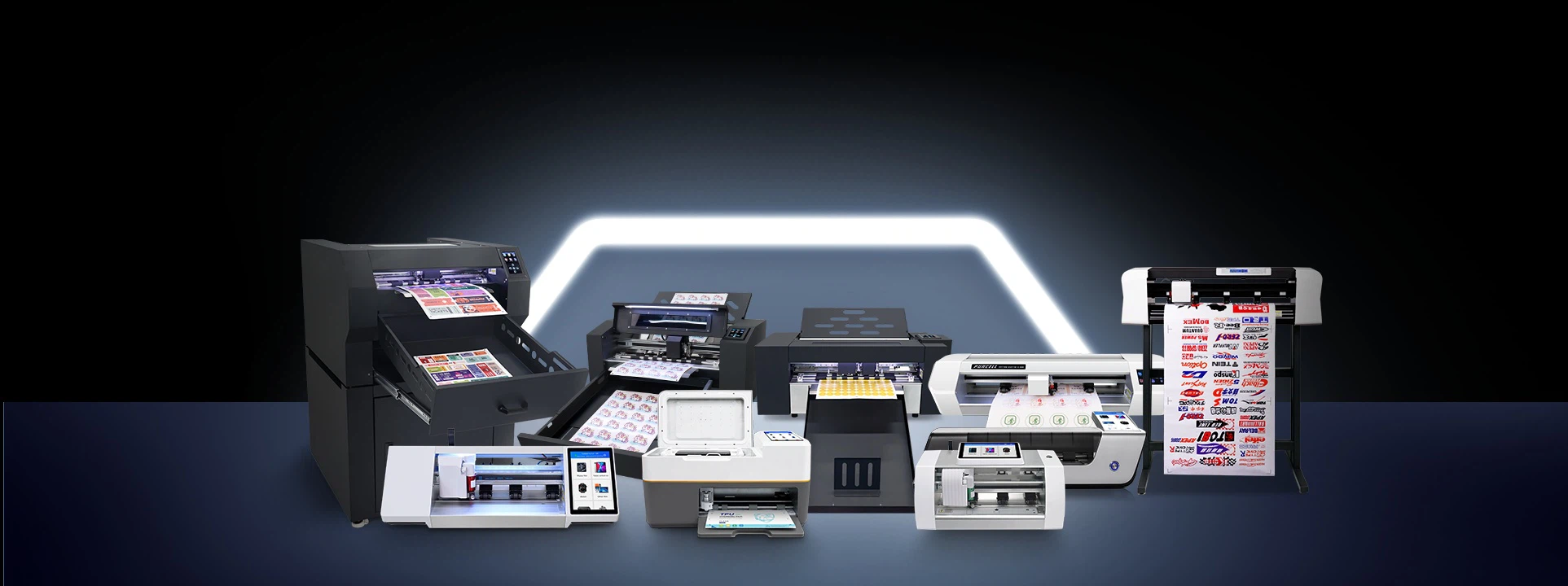


Your Professional Flatbed Cutting Plotter Supplier
Purcell is a company focusing on the development and production of smart cutting equipment. In many industries to provide customers with high quality, cost-effective wealth solutions, so that customers have achieved real value improvement, especially in the intelligent die cutting, personalized customization and plateless printing to create outstanding results.


Why choose us
Our Product
Film Cutting Machine, Vinyl/Cutting Plotter, Label Cutter Plotter, Flatbed Cutting Plotter, Colorful Back Film, Screen Protector, UV Curing Box
Product Application
Electronic digital products DIY protective film cutting, advertising printing products cutting, clothing thermal transfer printing industry, highway traffic signs and personalized customized product cutting and other fields.
Our Certificate
CE, FCC, ROSH
Production Equipment
Automatic production line, Multi functional assembly line, aluminum extrusion cutter, Quadratic measurement equipments, Aging equipment, Smoke testing equipment, Drop testing equipment
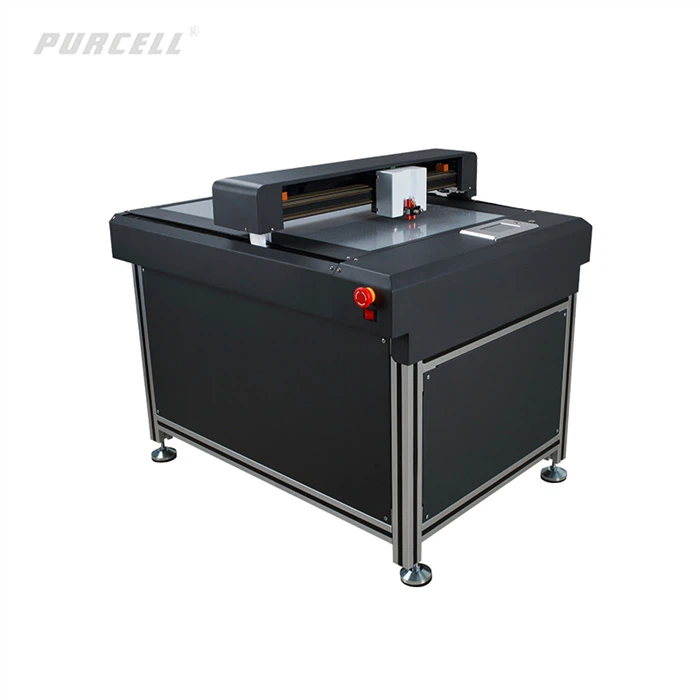
The Flatbed Digital Cutter uses the high-frequency vibration of the blade up and down to cut, front and rear, left and right digital control movement, tens of thousands of vibrations per minute to achieve the cutting effect, fast cutting speed, environmentally friendly processing, suitable for carbon fiber, glass fiber, fiber cotton, prepreg Cloth, aramid, ceramic fiber, cloth, silk loop, leather, felt, carpet, sound-absorbing cotton, silicone, rubber, KT board and other non-metallic flexible materials.
The finished product cut by the flatbed digital cutter is also clean and neat, with smooth edges, and the size of the cut pieces is accurate, odorless, relatively environmentally friendly, and soft and hard materials are available. Its cutting speed is twice that of a rotary knife, and the equipment is widely used, such as clothing industry and advertising industry. It is also the 1st choice of many companies.
|
Model |
PT4560 |
|
Max cut size |
600*450mm |
|
Operating mode |
Vacuum absorption |
|
Cutting accuracy |
0.01mm |
|
Head |
2 blade heads |
|
Repeat Accuracy |
0.05mm |
|
Maximum uncut running speed |
800mm/s |
|
Max cutting speed |
700mm/s |
|
Force |
2000g |
|
Output modes |
U disk/WiFi/USB |
|
Power |
<100W |
|
Work temperature |
5°C-35°C |
|
Software |
CDR plug-in;CameraCut |
|
Device size |
960*770*780mm |
|
Package size |
1050*900*850mm |
|
Gross Weight |
127kg |
Eture of flatbed digital cutters
- Dieless cutting
- Customized,small quantity,Unmanned
- MINI oscillating tool, bevel cutting function
- Can achieve requirements of sheet materials by oscillating tool under 6MM and high-speed and high-precision creasing for box with paperboard and gray board materials.
Advantages of Flatbed Cutting Plotter
Flatbed Cutting Plotter offers numerous advantages for businesses and individuals involved in various industries. Here are some key advantages:
Versatility: One of the primary advantages of a Flatbed Cutting Plotter is its versatility. It can cut a wide range of materials, including paper, cardboard, vinyl, fabric, leather, and even thin metals. This flexibility makes it a valuable tool for businesses in industries such as signage, packaging, textile, and automotive, among others.
Precision and Accuracy: Flatbed Cutting Plotters are known for their exceptional precision and accuracy. They use advanced cutting technologies, such as laser or blade cutters, which can achieve intricate designs and shapes with high precision. This level of accuracy is crucial for industries where precise cutting is essential, such as stencils, architectural models, and decal production.
Time and Cost Efficiency: By automating the cutting process, Flatbed Cutting Plotters significantly reduce production time and labor costs. Unlike manual cutting methods, which can be time-consuming and require skilled operators, these machines can quickly and accurately cut multiple pieces simultaneously.
Customization and Personalization: With a Flatbed Cutting Plotter, customization and personalization options are virtually limitless. The machine can cut intricate designs, logos, and text, allowing businesses to create unique and personalized products.
Improved Workflow and Productivity: Flatbed Cutting Plotters integrate seamlessly into existing workflows, automating the cutting process and improving overall productivity. With their high-speed cutting capabilities and advanced software, these machines can handle large volumes of cutting tasks efficiently.
Types of Flatbed Digital Cutter
Shanghai Jwell machinery Workshop co-operation projects
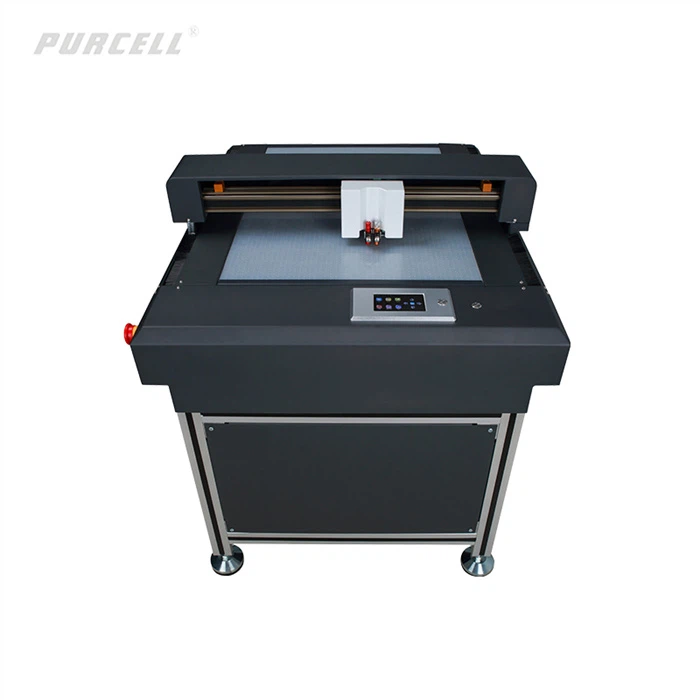
Universal digital cutter
A universal digital cutter can cut a range of materials, including vinyl, fabric, paper, and foam.

Dual beam digital cutter
A dual beam digital cutter uses 2 cutting beams to cut via materials. This makes them more precise and right than single beam cutters.
Digital cutter for fabric cutting
A digital cutter for fabric cutting is designed to cut fabric with accuracy. They generally have a quick blade and range of cutting speeds to accommodate different kinds of fabric.
Application of Flatbed Digital Cutter
Clothing industry
Benefit hugely from speed and precision while being capable to handle the most hard pattern designs.
Automotive industry
Built to handle glass fibre and carbon
Upholstery industry
Provide flexibility of varying furniture designs and patterns.
Composites
Can be equipped with a big range of tools to manage a diverse range of materials.
Working principle of flatbed cutting plotter
The working principle of a Flatbed Cutting Plotter involves three main steps: design input, cutting path generation, and material cutting.
Design Input
The operator first creates or imports a design file using specialized software. This file contains the desired shape or pattern that needs to be cut out of the material. The design can be original or sourced from existing templates.
Cutting Path Generation
Once the design file is ready, the software analyzes it and generates a cutting path based on the specifications of the Flatbed Cutting Plotter. The cutting path defines the exact trajectory that the cutting tool will follow to create the desired shape. This step is crucial in ensuring precise and accurate cutting.
Material Cutting
After the cutting path is generated, the operator sets up the Flatbed Cutting Plotter by placing the chosen material on the flat surface of the machine. The material is secured in place using clamps or vacuum technology, depending on the specific model. The cutting tool, controlled by computerized mechanisms, moves along the generated cutting path, cutting through the material layer by layer. The depth and speed of the cutting tool can be adjusted to accommodate different materials and cutting requirements.
Precautions
The accuracy of the workbench.
When the accuracy of the worktable is high, the blades on the worktable will cut with high precision. Of course, the accuracy is also greatly guaranteed. The h8 of the worktable is high or low, and subtle errors may cause the reduction of cutting accuracy and bring to the factory loss.
The sharpness of the blade.
The sharpness of the cutting machine blade is also an important factor that affects the cutting accuracy. When the blade is passivated, there is a lot of wear, which affects the cutting of raw materials during the cutting process and affects the cutting accuracy.
The difference in cutting materials.
Depending on the cutting material, it will also affect the choice of cutting blade. Similarly, the precision of cutting cloth and white cardboard is different, which is mainly affected by the thickness and hardness of the material. The thicker the material, the lower the precision and the larger the gap.

Design Flexibility
When choosing digital cutting, be sure to evaluate how much design flexibility you need. Consider the complexity of your design and whether it will need to be adjusted during production.
If your design is finalized and you plan to use it for a variety of applications or future print runs, die cutting is ideal. However, modifying a die cut can be difficult and expensive, so if you are still refining your design, digital cutting is a better option.
Digital cutting offers greater flexibility because you can easily modify the output by adjusting the tool path. While changes may incur additional costs, they are generally much cheaper than making a new die.
Custom made
Digital cutting permits industries to cut a big range of materials in various materials and sizes, and it can generate more intricate shapes if you have hard design to cut.
A digital cutting machine can also handle thicker stock, permitting you to create heavier, bigger or more durable finished items. Famous options contain the following:Vinyl. Composite materials.Leather.Foam boards.R board.Specialty rubbers.Forex.Packaging foam.Sponge rubber.Polyamide film
Operators can also integrate digital cutter with many programs and printing machines, spreading their capabilities. For example, they can print your firm’s logo on a big piece of materials and then cut it into a specific shape for signage.
Maintenance of Flatbed Digital Cutter
Routine maintenance: Maintain your digital cutter by keeping it clean and well-lubricated to stop any dust buildup and ensure perfect operation. Follow the producer’s instructions for tasks such as calibration and blade replacement.
Check blade sharpness: Check the blade periodically and change it if it appears dull. A sharp blade is essential for the right cuts.
Adjust pressure settings: Experiment with various pressure settings to find the best level for the material you are working with. Too much force can damage the blade and the machine, while too little force may result in incomplete cuts.
Clear material obstruction carefully: If the material or machine becomes jammed, turn off the machine and carefully get rid of the stuck material following the producer’s instructions. Avoid using high force, as it can cause further damage to the machine.
Updated program: For digital cutting machines, regularly update the program to the new version to make sure compatibility with your computer operating system and reduce program-related problems.
Practice right handling: Educate users on the right usage and handling of the cutting machine to stop misalignment, jams, and other mechanical problems.
Calibrate machine: If you notice inaccuracies in cutting, recalibrate the digital machine according to the producer’s guidelines to restore its performance and accuracy.
We're well-known as one of the leading flatbed cutting plotter manufacturers and suppliers in China. Please feel free to buy high quality flatbed cutting plotter from our factory. For customized service, contact us now.