

Why Traditional Screen Protectors Fail On Foldables (and How We Fixed It)
Mar 19, 2026
Leave a message

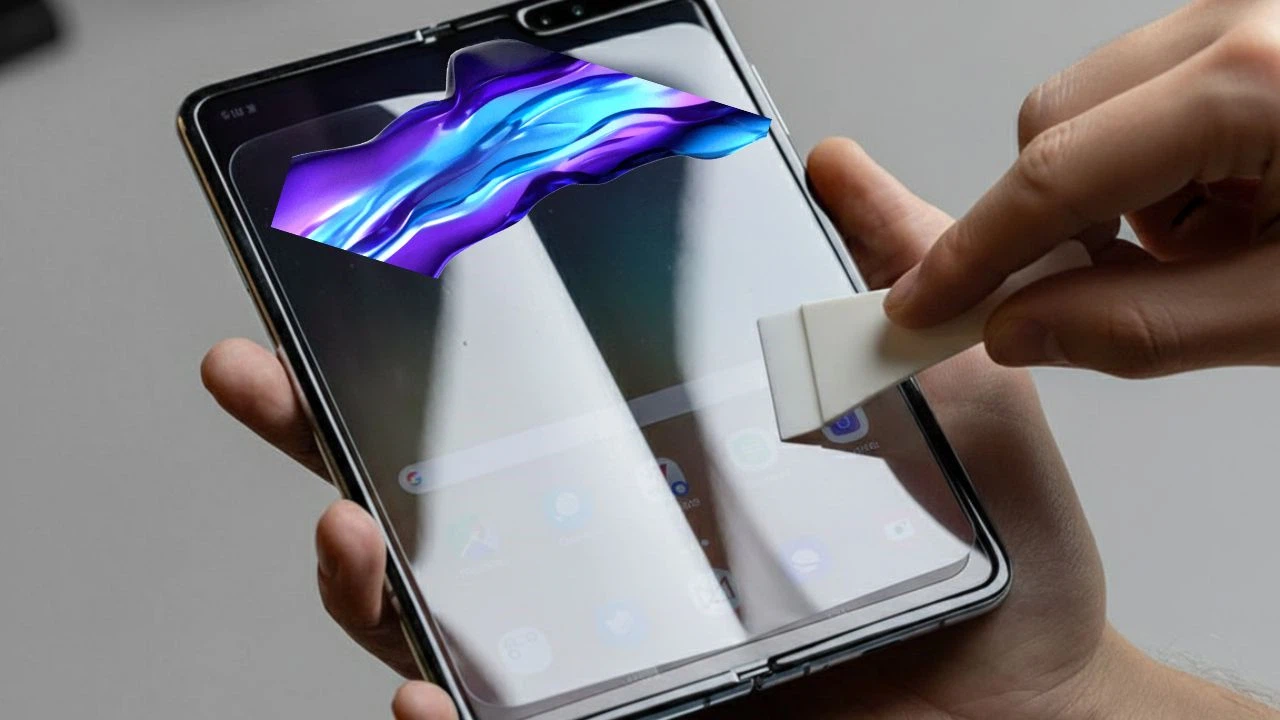
Imagine spending upwards of $1,500 on a cutting-edge foldable smartphone, only to have the sales associate tell you, "There are no screen protectors that work on this. Good luck." It's a terrifying prospect.
While traditional smartphones enjoy a vast ecosystem of protective options, foldables have created a unique technological paradox. The very feature that makes them so desirable-a screen that bends-renders the world's most popular protective material, tempered glass, obsolete.
We're not just talking about a minor incompatibility. We're talking about a complete physics failure. This is why traditional protectors fail, and how we finally engineered a solution that works.
Why Tempered Glass is a Foldable's Worst Enemy
The math is simple: Glass doesn't bend without breaking. The ultra-thin flexible glass (UTG) used in modern foldables is already engineered to its limit. Adding a second, stiff layer of tempered glass over it is impossible. Even a micro-bend would shatter the protector.
For a long time, the only alternative was thin, cheap plastic films. These were terrible. They felt like saran wrap, distorted the screen's clarity, and, worst of all, they struggled with the crease.
A foldable screen is a living, breathing component. When it closes, the material at the crease must compressed and then stretch back out upon opening. A traditional, static film can't handle this cycle. It either buckles under compression (creating a bubble) or snaps under tension (causing the crease to tear).
This isn't just an aesthetics problem; it's a structural hazard. A failing, delaminating film can actually put uneven stress on the UTG layer, potentially leading to catastrophic screen failure.
The Problem of the Crease: Solved by Precision Engineering
The crease demands a material that is simultaneously flexible, durable, and perfectly shaped. This is where we focused our R&D, combining a self-healing EPU/TPU material with a micron-level localized cut.
To show you exactly how this factory-level precision is brought to any repair shop floor, we've visualized the specialized workflow of our Purcell H310 Pro interface. This isn't just a generic app; it's a sophisticated gateway to thousands of perfect, folding-specific templates.

Figure 1: The Optimized Foldable Workflow on the Purcell H310 Pro Interface.
How to Read the Infographic:
Instead of burying you in raw menu screenshots, we've synthesized the key steps of the process:
Brand Selection (Top Left): Our lifetime-free cloud database ensures instant support. You select from all major global manufacturers-the moment a new foldable drops, it's already here.
Model Search (Top Right): Simply type the model (e.g., Z Fold, Pixel Fold). The system instant-searches thousands of templates, finding the exact fit.
Folding-Specific Geometry (Bottom Left): This is the crucial logical branch. A standard phone gets one cut. A foldable gets specific options: the "Inner Screen," the "Outer Screen," and even the specific cover orientations. This guarantees the crease is never obstructed.
Final Confirmation (Bottom Right): The system visualizes the exact geometry designed to perfectly clear the folding hinge. This final visualization is the set of precise coordinates-accurate to ±0.1mm-that ensures a factory-grade fit.
The Bottom Line: Foldable Protection is Finally Here
The era of choosing between a naked, vulnerable foldable and a bubbling, peeling generic film is over. By combining the elastomeric, self-healing properties of EPU/TPU with the localized, micron-precision cutting guided by Purcell's real-time database, we've solved the folding challenge. We ensure your most innovative device receives the protection it deserves, without compromise.